+91-9666438880
indiaord@gmail.com
IORD – Indian Organization for Rare DiseasesIORD – Indian Organization for Rare DiseasesIORD – Indian Organization for Rare DiseasesIORD – Indian Organization for Rare Diseases
  • Home
  • About Us
    • Management Committee
    • Advisory Board
    • Newsletters
    • Newsletter Subscription
  • Rare Diseases
  • Research
  • Services
  • Donate
  • Gallery
    • Photo Gallery
      • World Rare Disease Day – 2023
      • World Rare Disease Day 2020
    • Video Gallery
      • World Rare Disease Day – 2020
      • World Rare Disease Day – 2019
      • World Rare Disease Day – 2018
  • Blog
  • Contact Us

UN General Assembly Adopts Resolution on Rare Disease at its 76th Session

    Home Rare Disease News UN General Assembly Adopts Resolution on Rare Disease at its 76th Session
    NextPrevious
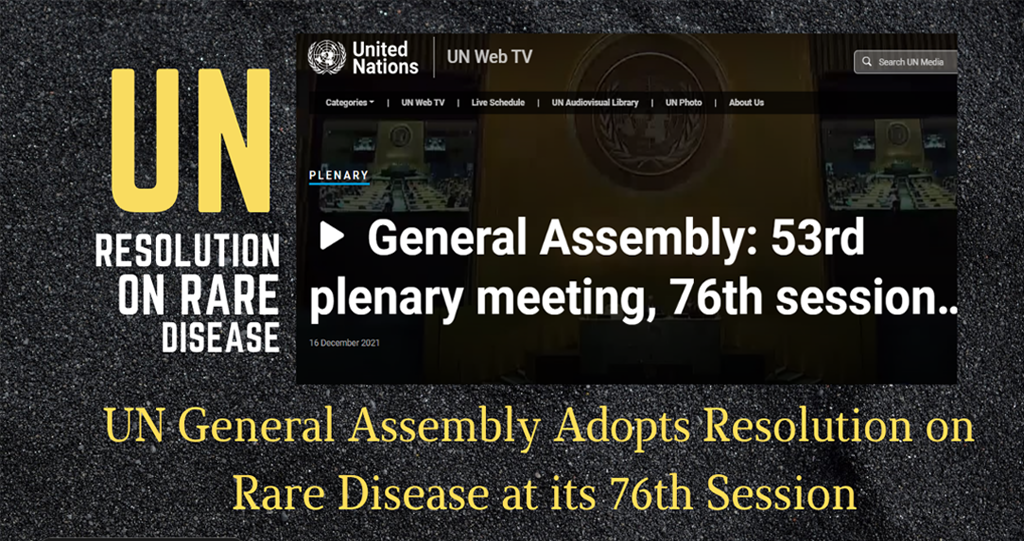
    UN Resolution on Rare Disease

    UN General Assembly Adopts Resolution on Rare Disease at its 76th Session

    By IORD | Rare Disease News | 0 comment | 22 December, 2021 | 0

    In a historic first, the UN General Assembly adopted a resolution for “Addressing the challenges of persons living with a rare disease and their families” at its 76th Session on December 16, 2021.

    The landmark resolution – which calls UN member states to achieve universal health coverage by 2030 for all including persons living with a rare disease – is co-sponsored by an unprecedented 54 countries and adopted by consensus by all 193 UN Member States.

    In short, the resolution recognises the need to promote and protect the human rights of an estimated 300 million persons living with a rare disease worldwide, many of whom are children, by ensuring equal opportunities to achieve their optimal potential development and to fully, equally and meaningfully participate in society.

    For the full, equal and meaningful participation in all aspects of social, cultural, political and economic life for those living with rare diseases, especially children, the UN resolution calls for providing inclusive and equitable quality education and lifelong learning opportunities without discrimination.

    Significantly, the UN Resolution called upon the Director-General of the World Health Organization (WHO), as well as other relevant United Nations entities, to present a report to address, inter alia, the challenges faced by persons living with a rare disease and their families, to be submitted during the seventy-eighth session of the General Assembly.

    In particular, the UN resolution wants the governments of UN member-states to frame appropriate development programmes for the welfare and betterment of people with rare diseases in the following spheres/subjects:

    1. Provide universal access to a wide range of health-care services that are safe, of quality, accessible, easily available, and affordable, timely, and clinically and financially integrated, which will help to empower persons living with a rare disease.
    2. Adopt gender-sensitive national strategies, action plans and legislation, to contribute to the well-being of persons living with a rare disease and their families, including on the protection and enjoyment of their human rights, consistent with their obligations under international law.
    3. Take steps to resolve the root causes of all forms of discrimination against persons living with a rare disease, including through awareness-raising and dissemination of accurate information on rare diseases.
    4. Explore the importance of cultural, family, ethical and religious factors, including the key role played by religious leaders in the treatment, care and support of persons living with a rare disease.
    5. To collect, analyse and disseminate disaggregated data on persons living with a rare disease, including classification by income, sex, age, race, ethnicity, migration status, disability, geographical location and other characteristics by member states and relevant United Nations agencies to assess progress towards the improvement of the status of persons living with a rare disease.
    6. Create networks of experts and multidisciplinary specialized expert hubs, inter alia, for rare diseases and to increase research support, by strengthening international collaboration and coordination of research efforts and the sharing of data, while respecting its protection and privacy.
    7. Implement national measures to ensure that persons living with a rare disease are not left behind. Ensure they get assistance to enjoy equal access to benefits and services in education, employment and health, and promote their full, equal and meaningful participation in society, and commit to working towards social integration and physical/mental well-being.
    8. In consultation with all Rare Disease stakeholders, design and implement policies and programmes and share best practices to fulfil the rights of all persons living with a rare disease.
    9. Implement the 2030 Agenda for Sustainable Development ensuring it is inclusive of and accessible to persons living with a rare disease.
    10. Provide the right to education with lifelong learning opportunities on the basis of equal opportunity and non -discrimination for persons living with a rare disease.
    11. Implement effective programmes to promote mental health and psychosocial support for persons living with a rare disease and their families.
    12. Accelerate efforts towards the achievement of universal health coverage by 2030 to ensure healthy lives and promote the well-being of all persons, including those living with a rare disease.
    13. Provide essential health products, health services and quality, safe, effective, affordable and essential medicines, diagnostics, and health technologies to those living with a rare disease.
    14. Stop and reverse the trend of catastrophic out-of-pocket health expenditure by providing measures to ensure financial risk protection due to health-related expenses by 2030, with special emphasis on persons living with a rare disease.
    15. Take appropriate steps to provide affordable, accessible and good-quality care facilities for children and other dependants living with a rare disease.
    16. Promote access to full and productive employment and decent work, along with appropriate measures for financial inclusion for persons living with a rare disease and their families.
    17. Eliminate barriers faced by persons living with a rare disease and their families in accessing water, sanitation and hygiene, including physical, institutional, social and attitudinal barriers.

    Note: For the original UN Draft Resolution, click this link.
    To view the actual UN session where the Resolution was approved, click this link.

    ….

    rare disease awareness, Rare Disease NGOs, Rare Disease Organisations in India, UN Resolution on Rare DIsease

    IORD

    More posts by IORD

    Related Post

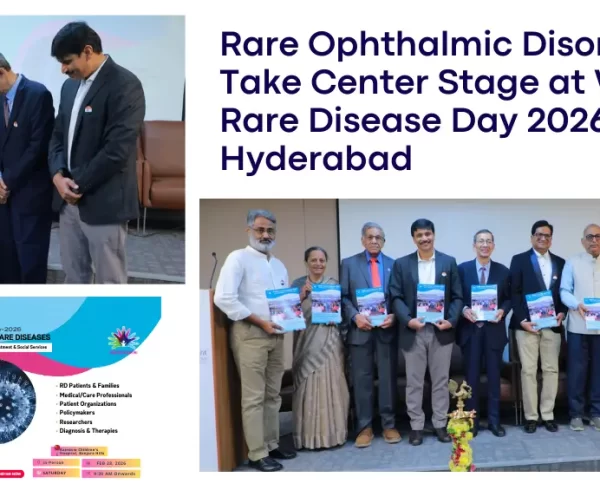
    • Inaugural session of World Rare Disease Day 2026 conference in Hyderabad, with experts from IORD, LVPEI, and Rainbow Children’s Hospital

      India: Rare Ophthalmic Disorders Take Centrestage at World Rare Disease Day-2026

      By IORD | 0 comment

      The event, attended by leading ophthalmologists, ocular geneticists, pediatric specialists, researchers, and patient advocates, spotlighted the urgent need for early diagnosis, stronger referral pathways, and expanded genetic and multidisciplinary services to address the growing burdenRead more

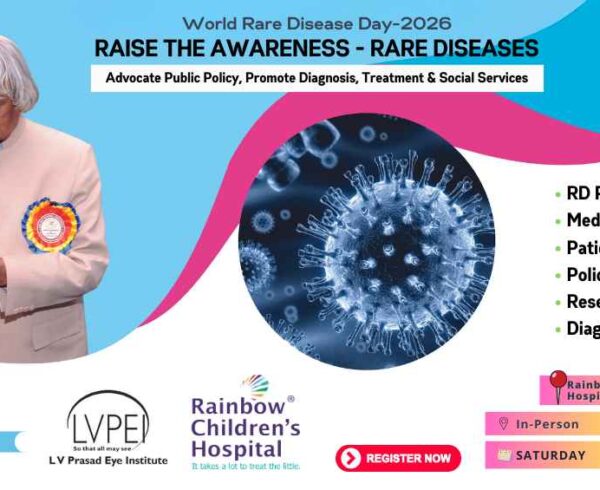
    • On World Rare Disease Day 2026, IORD, along with LV Prasad Eye Institute and Rainbow Children’s Hospital, is hosting a scientific conference in Hyderabad focused on Rare Ophthalmic Disorders

      IORD to Host World Rare Disease Day 2026 Conference Focused on Rare Ophthalmic Conditions

      By IORD | 0 comment

      Registration is now open. Limited seats available — register now using this link. Hyderabad, February 2026: The Indian Organisation for Rare Diseases (IORD), in collaboration with L V Prasad Eye Institute (LVPEI) and Rainbow Children’s Hospital,Read more

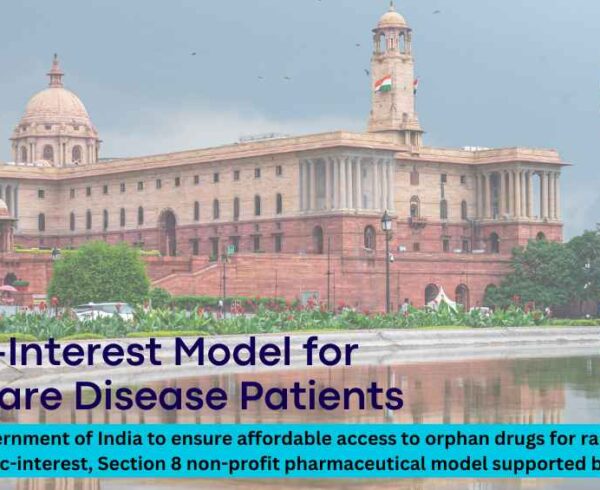
    • In this letter, IORD urges the Government of India to ensure affordable access to orphan drugs for rare disease patients through a public-interest, Section 8 non-profit pharmaceutical model supported by CSR funding.

      Bridging India’s Rare Disease Treatment Gap Through Public-Interest Pharmaceuticals

      By IORD | 0 comment

      IORD proposes a Section 8, CSR-supported public-interest pharmaceutical model to ensure affordable access to orphan drugs for millions of Indian patients.

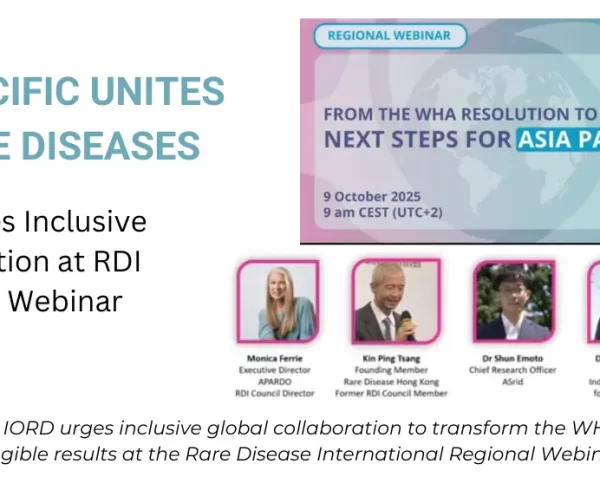
    • IORD leaders urge inclusive, global collaboration to turn the WHA Rare Disease Resolution into real action at the RDI Asia-Pacific Webinar on October 9.

      From Hope to Action: IORD Calls for Inclusive Global Action on Rare Diseases

      By IORD | 0 comment

      The RDI Regional Webinar on “From the WHA Resolution to Action: Next Steps for Asia Pacific” marked a pivotal moment for regional cooperation on rare diseases.   “Hope” — that was the word chosen byRead more

    • Delhi High Court clears Natco to launch Risdiplam generic version Natsmart, making SMA treatment affordable for thousands of Indian families.

      Natco Wins Patent Battle, Makes SMA Drug Affordable in India

      By IORD | 0 comment

      Delhi High Court clears Natco to launch Risdiplam generic version Natsmart, making SMA treatment affordable for thousands.

    NextPrevious

    Categories

    • ABN Andhra Jyothi
    • ANI
    • Deccan Chronicle
    • Economic Times
    • Eenadu
    • Events
    • IORD in News
    • IORD Updates
    • News
    • Pharmabiz.com
    • Prime9 News
    • Rare Disease News
    • Rare Disease Survivor
    • Sakshi
    • Telangana Today
    • The Hans India
    • The Hindu
    • The Pioneer
    • Times Now
    • Times of India
    • Uncategorised
    • Vaartha

    Recent Posts

    • India: Rare Ophthalmic Disorders Take Centrestage at World Rare Disease Day-2026
    • IORD to Host World Rare Disease Day 2026 Conference Focused on Rare Ophthalmic Conditions
    • Bridging India’s Rare Disease Treatment Gap Through Public-Interest Pharmaceuticals
    • India Steps Forward as a Global Leader in Rare Disease Management
    • From Hope to Action: IORD Calls for Inclusive Global Action on Rare Diseases

    Archives

    • March 2026
    • February 2026
    • January 2026
    • November 2025
    • October 2025
    • September 2025
    • August 2025
    • July 2025
    • June 2025
    • May 2025
    • April 2025
    • March 2025
    • February 2025
    • January 2025
    • December 2024
    • November 2024
    • September 2024
    • July 2024
    • June 2024
    • May 2024
    • March 2024
    • February 2024
    • December 2023
    • October 2023
    • July 2023
    • June 2023
    • May 2023
    • April 2023
    • March 2023
    • February 2023
    • January 2023
    • December 2022
    • November 2022
    • October 2022
    • September 2022
    • August 2022
    • June 2022
    • May 2022
    • April 2022
    • March 2022
    • February 2022
    • January 2022
    • December 2021
    • November 2021
    • October 2021
    • September 2021
    • August 2021
    • July 2021
    • May 2021
    • April 2021
    • November 2020
    • March 2020
    • February 2020
    • January 2020
    • February 2019
    • January 2018
    • September 2015

    IORD

    Indian Organization For Rare Diseases (IORD), a not-for-profit umbrella organization represents interests of all stakeholders of Rare Diseases in India including individual patients, patient support groups, health policy advocates and health care providers.

    RARE DISEASES

    • Rare Blood Diseases
    • Rare Heart Diseases
    • Rare Fungal Diseases
    • Rare Kidney Diseases
    • Rare Newborn Diseases
    • more...

    SERVICES

    • Research
    • Let's Come Together
    • Partner With Us
    • Volunteers
    • Privacy Policy
    • Sitemap

    CONTACT US

    Indian Organization For Rare Diseases
    Registered Office (India):
    Plot No. 397, Road No. 22B, Jubilee Hills, Hyderabad – 500033, Telangana, India.

    Phone: +91-9666438880

    Email: indiaord@gmail.com

    © 2020 Indian Organization For Rare Diseases | All Rights Reserved. Powered By Digital Dynamics
    • Home
    • About Us
      • Management Committee
      • Advisory Board
      • Newsletters
      • Newsletter Subscription
    • Rare Diseases
    • Research
    • Services
    • Donate
    • Gallery
      • Photo Gallery
        • World Rare Disease Day – 2023
        • World Rare Disease Day 2020
      • Video Gallery
        • World Rare Disease Day – 2020
        • World Rare Disease Day – 2019
        • World Rare Disease Day – 2018
    • Blog
    • Contact Us
    IORD – Indian Organization for Rare Diseases