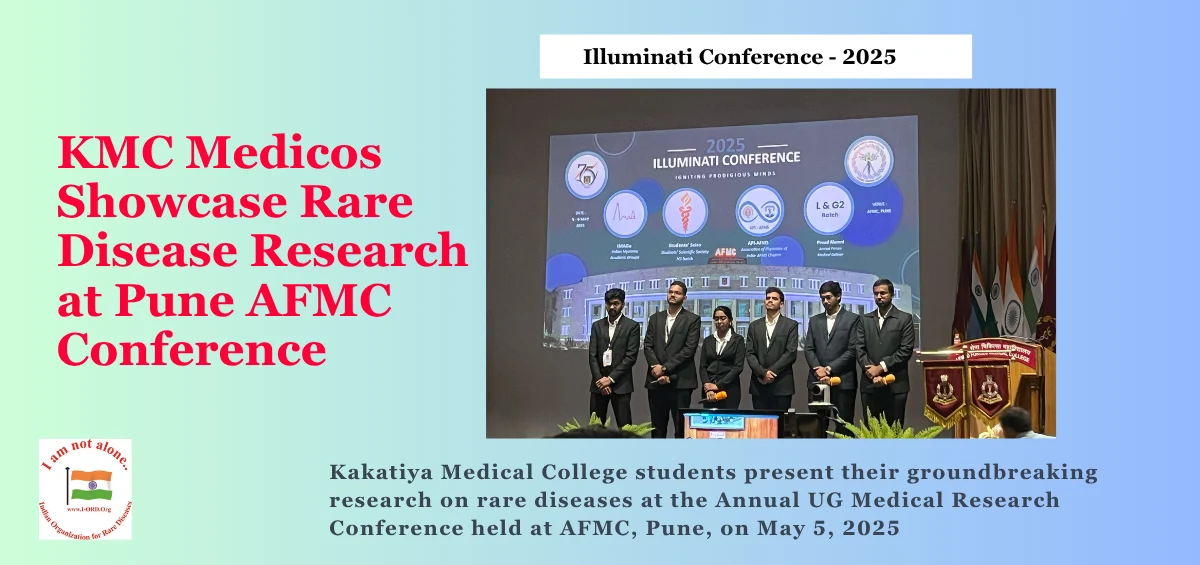
Kakatiya Medical College (KMC), Warangal, made a proud mark at the Annual UG Medical Research Conference held on May 5, 2025, at the prestigious Armed Forces Medical College (AFMC) -Illuminati Conference – in Pune. A seven-member team of final-year MBBS students presented their in-depth research titled “Dual Perspectives on Rare Diseases: An Analysis of Diagnostic Delays and Management Challenges from Patients and Physicians.”
In this powerful conference presentation, the urgent need for change in how rare diseases are diagnosed, treated, and recognized in India is highlighted by the KMC medicos. With over 70 million people affected by rare diseases in India alone, this talk exposes the silent struggles of rare disease patients and their families who often face years of uncertainty, misdiagnoses, and unaffordable treatments. The presentation delves into the systemic barriers, including lack of awareness among physicians, limited access to genetic testing, and the high cost of treatment that forces many families to resort to crowdfunding for survival.
A cross-sectional study conducted at Mahatma Gandhi Memorial Hospital reveals critical gaps between patient experiences and physician knowledge regarding rare diseases, shedding light on the urgent need for systemic change. The study found that 64% of patients experienced delays of more than two years before receiving a correct diagnosis, while a significant number of patients were misdiagnosed initially. The presentation also explores policy recommendations, including the inclusion of rare diseases in government health insurance schemes, and the need for specialized centers for rare disease management.
The research explored the complex challenges surrounding the diagnosis and management of rare diseases, highlighting the gaps in treatment accessibility and diagnostic delays from both patients’ and physicians’ perspectives. The team, led by Ch Ramakrishna Rao, N Sudhamsh Reddy, Mohd Abdul Raoof, R Neeraj Kumar, M Lokesh, N Simon Prabhakar, and Hemangini Irukulla, impressed attendees with their analytical approach and dedication to improving medical practices.
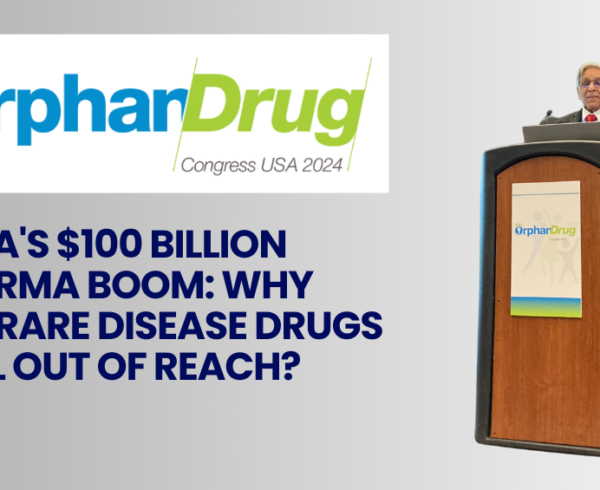
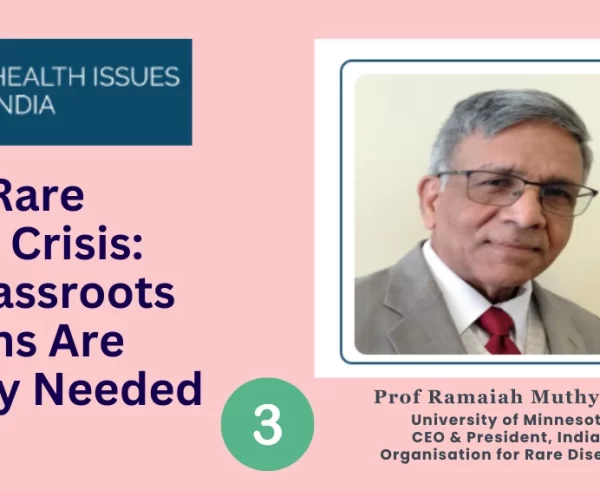
The presentation was accompanied by expert insights from Prof. Ramaiah Muthyala, CEO and President of IORD, who addressed the attendees on the critical issue of rare disease treatment in India. Prof. Muthyala emphasized the lack of access to affordable treatments for rare disease patients, despite India’s prominence in the global pharmaceutical industry. His remarks also focused on the lack of specialized training for doctors in diagnosing rare diseases, which often results in misdiagnoses.
In his address, Prof. Muthyala shared his vision for improving the situation, which included three key suggestions: expanding insurance coverage to include rare diseases under programs like Ayushman Bharat Yojana, promoting the manufacturing of generic orphan drugs, and stocking orphan drugs at government pharmacies such as Jan Aushadhi Kendras to ensure accessibility for patients nationwide.
The students’ research and Prof. Muthyala’s compelling insights contribute to ongoing efforts to address the overlooked challenges faced by rare disease patients, raising awareness and advocating for more inclusive healthcare policies.